Marvin Ultimate Casement: the markup is mostly earned. The cheap import is not the answer.
A forensic breakdown of what a ~$1,200 Marvin casement actually costs to build, where the dealer margin lives, and why the honest cheaper path is a domestic peer brand, not a Chinese factory window taxed to near-parity.
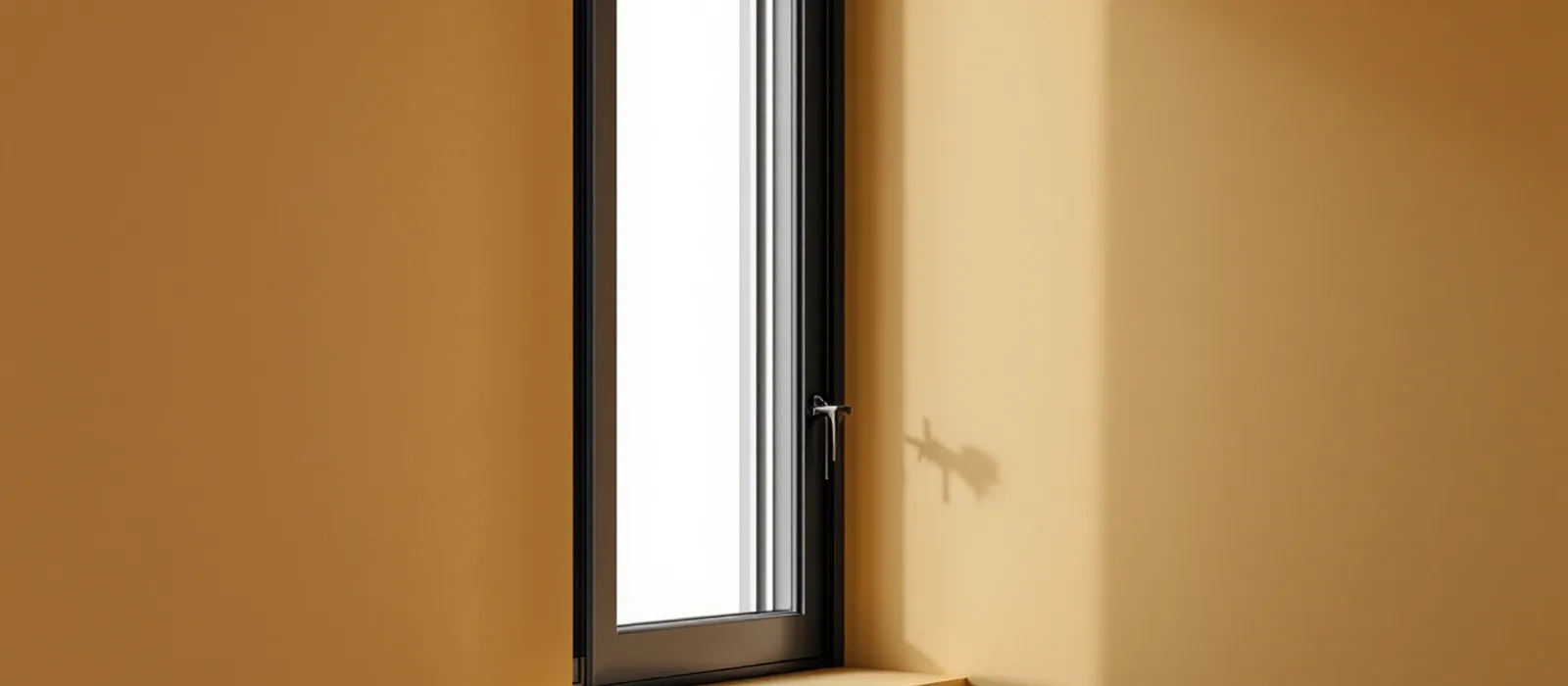
Fig. 1 · Marvin Signature Ultimate Casement · aluminum-clad wood · made in Warroad, MN
Marvin's markup over its own cost is roughly 2x, not the 4 to 8x a luxury sofa carries. The premium buys real certifications that pass inspection, real domestic manufacturing, and a service network that matters when a failed window is a water leak, not a sagging cushion. The honest cheaper path is a domestic peer brand at the same certification level, 10 to 30% less. Factory-direct import fails: China's 63.2% tariff stack nearly doubles the factory price and the certs are not complete yet.
- A mid-size Marvin Ultimate casement runs roughly $1,100 to $1,400 window-only through a dealer.
- Marvin's estimated factory cost is $500 to $650 per unit, built in Warroad, Minnesota with domestic labor.
- Dealer and distributor margin accounts for roughly $300 to $400 of the unit price, about 2x dealer cost.
- The 63.2% China tariff stack (5.7% MFN + 7.5% Section 301 + 50% Section 232 aluminum) lands a $350 FOB casement at approximately $859 after freight and customs.
- Sierra Pacific, Andersen E-Series, Pella Reserve, and Loewen carry identical NFRC and NAFS certifications and typically cost 10 to 30% less than Marvin for the same spec.
- Windows are permit-gated infrastructure. NFRC certification is required by most building codes and insurers, not optional.
- Marvin holds utility patents on hardware mechanisms and weatherstrip systems, not a protected silhouette. A casement window can be replicated; Marvin's specific mechanism cannot be cloned.
Where ~$1,200 goes on a Marvin casement
Layers below the FOB line are estimates against a private company's cost structure. Confidence is MED on the split, HIGH on the shape. The key comparison: Marvin's domestically-built cost of roughly $550 competes against a factory-direct unit that lands at roughly $859 after the China tariff stack. The cheap import is not cheaper at the factory door once tariffs apply.
Sourced cost changed the verdict
Sourced from Crateworks Panok W&D landed-cost data (real FOB, not estimated). Confidence HIGH. This is the teardown where sourced cost changed the verdict.
| Layer | ~$ per unit | Source |
|---|---|---|
| Factory FOB (ex-works China) | ~$350 | Crateworks Panok pricing, mid-size casement |
| Pre-customs freight (inland CN + ocean + insurance) | ~$118 | Crateworks profitability model |
| = CIF | ~$468 | |
| Import duty / tariff stack @ 63.2% | ~$296 | 5.7% MFN + 7.5% Section 301 + 50% Section 232 aluminum |
| Post-customs (broker + drayage + warehouse) | ~$95 | Crateworks profitability model |
| = Landed cost, factory-direct | ~$859 | Current-scenario tariff. Worst-case $1,100+ |
The Section 232 aluminum tariff was raised to 50% in June 2025. At ~$859 landed, the factory-direct window is within striking distance of Marvin's own domestically-built cost. The gap that exists on furniture does not exist on windows today.
What you are actually buying
The certifications are real and they are not optional. A Marvin casement ships with an NFRC U-factor and SHGC label, an AAMA/NAFS performance class, and structural ratings that a building inspector, an energy code, and a homeowner's insurer all actually check. You cannot legally pass inspection in most jurisdictions with an uncertified window. A window is permit-gated infrastructure, not a piece of furniture you simply live with.
The service network is real, and for a window it matters more than for a sofa. Marvin's lifetime-leaning warranty and dealer service network mean that when a seal fails or an operator breaks in year eight, someone shows up. A failed window is a water leak, a callback, a drywall repair, a mold risk. The value of accountability over 20 years is genuinely higher on a window than on almost anything else in a house.
The aluminum-clad wood construction is genuinely good and genuinely standard. Extruded aluminum over kiln-dried wood is the premium-tier norm. It is also exactly what Sierra Pacific, Andersen E-Series, Pella Reserve, and Loewen build. Nothing in the construction is proprietary except the specific hardware mechanisms covered by utility patents. The materials are a real quality choice, not a secret.
Resale value is essentially nil, and that is fine. Windows are infrastructure. No one buys a used Marvin casement on Chairish. Its value is delivered over its service life, not at resale.
Fig. 2 · Aluminum-clad wood construction. The cert, and the only thing you cannot import yet: the US service network.
Transparency
6Made-in-Warroad is real and verifiable. Materials, origin, and performance ratings are disclosed honestly. But unit cost is not published, and dealer and trade pricing is quote-gated and opaque.
Value
6A ~2x markup over a domestically-built ~$550 cost, buying real certifications and a real service network on a product where those genuinely matter. Reasonable, not a steal. Tier 2 peers often deliver the same for 10 to 30% less.
Defensibility
7Domestic manufacturing, real utility patents, mandatory certifications, and a service network on permit-gated infrastructure. The most earned premium of the three flagships. Spec is still replicable by domestic peers, which caps it.
Replicability
5The window is replicable via Tier 2 peers. But the cheap import is taxed to ~$859 landed and arrives without certs or a US service network, so the experience is only partly replicable today.
The same certified window, four ways
Note the inversion from a furniture teardown. Tier 2 is usually the right answer here, not Tier 3. The factory-direct path is taxed to near-parity and arrives without certifications or a US service network.
| Tier | What | Price | The honest tradeoff |
|---|---|---|---|
| 01 Same, cheaper | Marvin through a builder/trade account (Marvin Pro / Pro Plus), or overstock takeoffs from a canceled job | 10–25% off | The actual certified Marvin unit, full warranty. Trade pricing requires a builder account. Overstock rarely matches your exact rough opening, glass, and color. |
| 02 Spec-equal domestic brand | Sierra Pacific, Andersen E-Series / A-Series, Pella Reserve / Architect, or Loewen aluminum-clad wood casement | $700–1,400 | Same construction grade, same NFRC and NAFS certs, real US service networks, real warranties. Frequently the same performance numbers for 10 to 30% less. These are genuine peers, not downgrades. |
| 03 Factory-direct import | Thermally-broken aluminum casement sourced direct from a Foshan factory (Panok V76 and peers), built to your opening and glass package | ~$859 landed | Import is not an obvious win here. The 63.2% tariff stack nearly doubles the factory cost, erasing most of the gap vs Tier 2. NFRC and NAFS certification is in progress, not yet complete, a real gap for permits and insurance today. No established US service network. Right only for a builder who handles install and warranty in-house, or a custom job where transparent pricing and exact sizing outweigh the service network. |
| 04 Builder-grade | Vinyl or thin-clad casements: Andersen 200-Series, Pella 250, Milgard Trinsic | $300–600 | Certified for code-minimum. Vinyl or thin clad frames, lower performance class, shorter realistic service life, visibly lighter hardware and sightlines. Fine for a rental or budget remodel. Not the same product, and the difference shows at the window where you stand every day. |
Marvin is the rare luxury-home product where the markup is small and the premium is mostly real. You pay roughly 2x a domestically-built cost for a window that is certified to pass inspection, rated for your climate and insurer, and backed by a service network that will actually show up when a seal fails in a decade. That is worth real money. Where you save honestly is Tier 2, not Tier 4 and almost never Tier 3: a Sierra Pacific, Andersen E-Series, Pella Reserve, or Loewen casement is a genuine peer, equally certified and serviced, frequently 10 to 30% cheaper for the same spec. Skip the install markup by hiring your own installer. Do not skip the certified window.
Tell us the opening size, glass package, and cladding color. We will match you to the Tier 2 domestic brand that fits your spec and your budget.
A note on sourcing: GoodBuy and Crateworks share common ownership, and some cost figures here use Crateworks landed-cost data. Crateworks does not make windows, so it is not recommended on this teardown. Why we disclose →
Is the Marvin Ultimate Casement worth it?+
Largely yes, for a buyer who needs a certified, warranted, and serviced window. Marvin's markup over its own cost is about 2x, not the 4 to 8x a luxury sofa carries. The premium buys NFRC ratings that pass inspection, a service network that shows up when a seal fails in year eight, and domestic manufacturing. Sierra Pacific, Andersen E-Series, and Pella Reserve are genuine peers at 10 to 30% less and are usually the smarter buy.
Why is the Marvin Ultimate so expensive?+
About half the price is real: domestic manufacturing in Warroad, Minnesota, kiln-dried wood, extruded aluminum cladding, high-performance glazing, and NFRC certification. The other half is dealer network margin, roughly $300 to $400 per unit, plus an embedded warranty and service reserve. Unlike a luxury sofa, most of the cost is in the actual product.
Is there a cheaper alternative with the same certifications?+
Yes. Aluminum-clad wood casements from Sierra Pacific, Andersen E-Series, Pella Reserve or Architect, and Loewen carry the same NFRC and NAFS certifications, real US service networks, and comparable warranties. They typically run 10 to 30% under Marvin for the same spec. These are genuine peers, not downgrades.
Why not just import a casement window directly from China?+
The China tariff stack on aluminum windows currently runs about 63.2%, composed of a 5.7% MFN duty, a 7.5% Section 301 tariff, and a 50% Section 232 aluminum tariff. A factory that costs $350 FOB lands at roughly $859 after tariffs and logistics, within striking distance of Marvin's own domestically-built cost. The gap that exists on furniture does not exist on windows today. Add the cert gap and the missing service network and factory-direct is only the right call for a builder handling install and warranty in-house.
Where are Marvin windows made?+
Marvin windows are manufactured in Warroad, Minnesota and Fargo, North Dakota. Marvin is a privately held, family-owned US manufacturer. This is verifiable and real, not a partial-assembly hedge.